

Kutaisi Travel Guide 2026: Bagrati, Gelati & Prometheus Cave
Everything you need for an unforgettable trip to Georgia's ancient capital — from the hilltop Bagrati Cathedral and the UNESCO-listed Gelati Monastery to the underground world of Prometheus Cave and the dinosaur footprints of Sataplia.
Kutaisi is Georgia's second-largest city and one of the oldest continuously inhabited cities in Europe — a place where medieval monasteries sit alongside Soviet-era apartment blocks and where the Rioni River cuts through a landscape of caves, canyons, and green hills. This Kutaisi travel guide covers everything you need to know before you visit — the monasteries, the caves, the food, and how to plan a trip from Tbilisi or Batumi.
Whether you are stopping in Kutaisi on the way to the coast or spending a few days exploring the Imereti region, this guide will help you plan a smooth and memorable trip. If you are still deciding how Kutaisi fits into a wider trip, start with our complete Georgia travel guide.
Kutaisi at a Glance
Region
Imereti, Western Georgia
Distance from Tbilisi
~230 km (3.5–4 hours)
Best Time
April–June & September–October
How Many Days Do You Need in Kutaisi?
Two full days is the sweet spot. Day one covers the city itself — Bagrati Cathedral, the Colchis Fountain, the White Bridge, and the central market. Day two is for the monasteries and caves: Gelati, Motsameta, Prometheus Cave, and Sataplia Nature Reserve. A single day is possible but rushed — you will have to choose between the city and the caves. Staying overnight is strongly recommended, especially if you want to visit the caves in the morning when they are less crowded.
Top Things to Do in Kutaisi
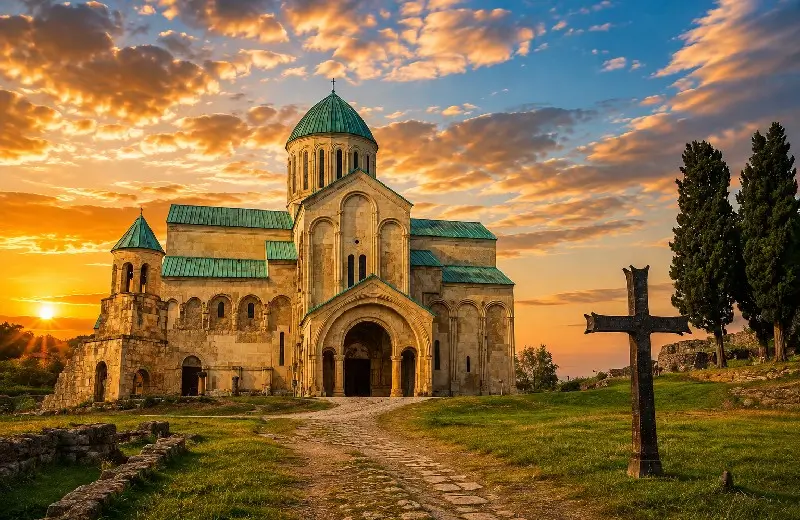
Visit Bagrati Cathedral
The 11th-century cathedral sits on Ukimerioni Hill and offers the best panoramic view of Kutaisi. It is a UNESCO World Heritage Site and one of the most important monuments in Georgia.
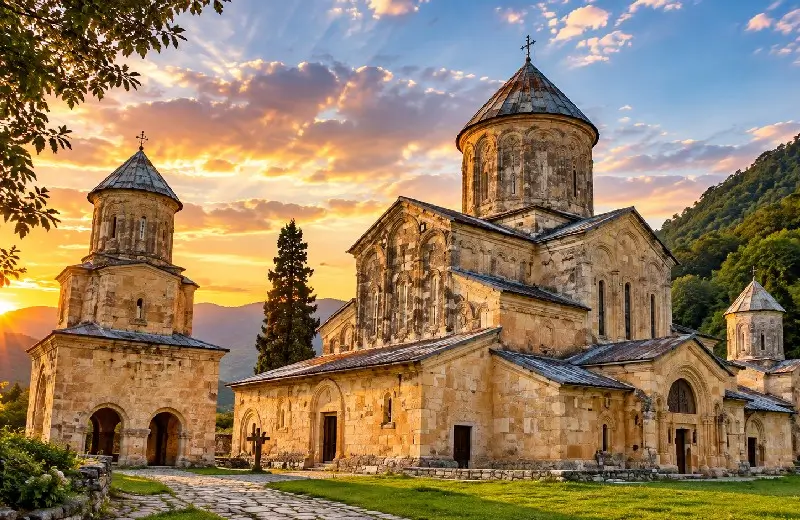
Explore Gelati Monastery
Founded in 1106 by King David the Builder, Gelati is one of the most important monasteries in Georgia. Its 12th-century mosaics and frescoes are among the finest in the country.
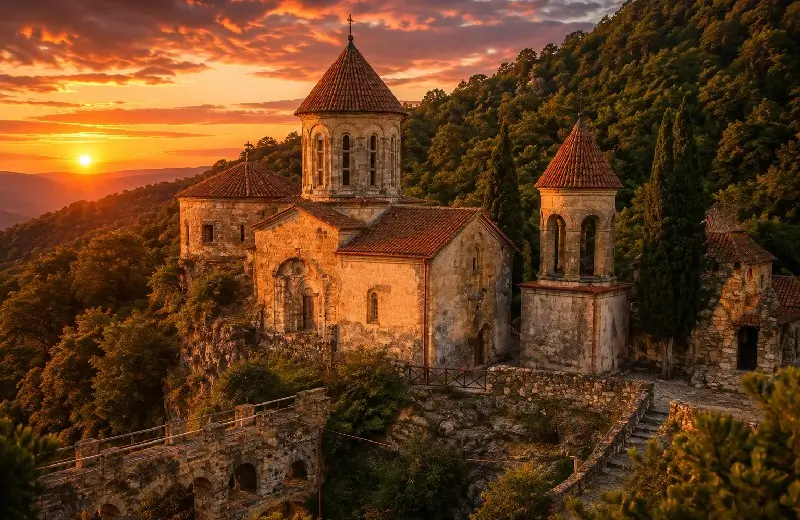
See Motsameta Monastery
Perched on a cliff above a bend in the Rioni River, Motsameta is a small monastery with a dramatic setting. The name means "place of the martyrs," and it commemorates two brothers executed for their faith.
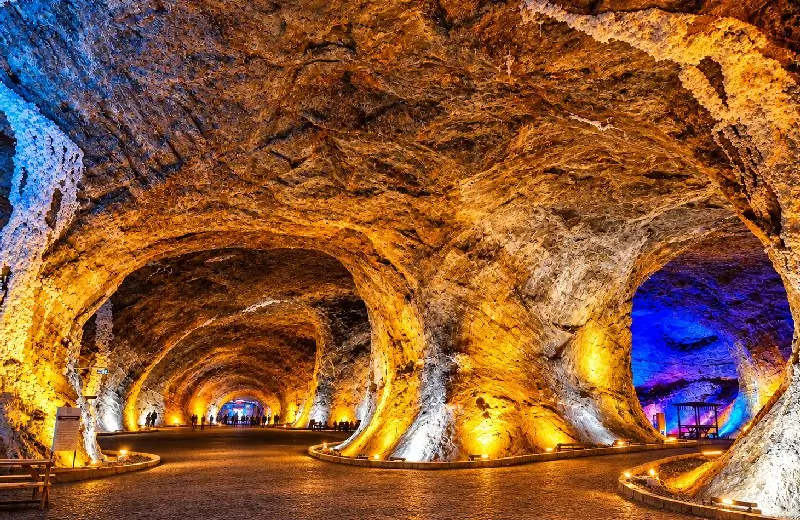
Descend into Prometheus Cave
One of Georgia's most impressive natural attractions — a 1.4-kilometer underground route through stalactites, stalagmites, and illuminated chambers. There is also an optional boat ride on the underground river.
Kutaisi City Center
The center of Kutaisi is compact and walkable. Most of the main sights are within a 15-minute walk of each other, and the area around the Colchis Fountain is a good starting point for exploring the city on foot.
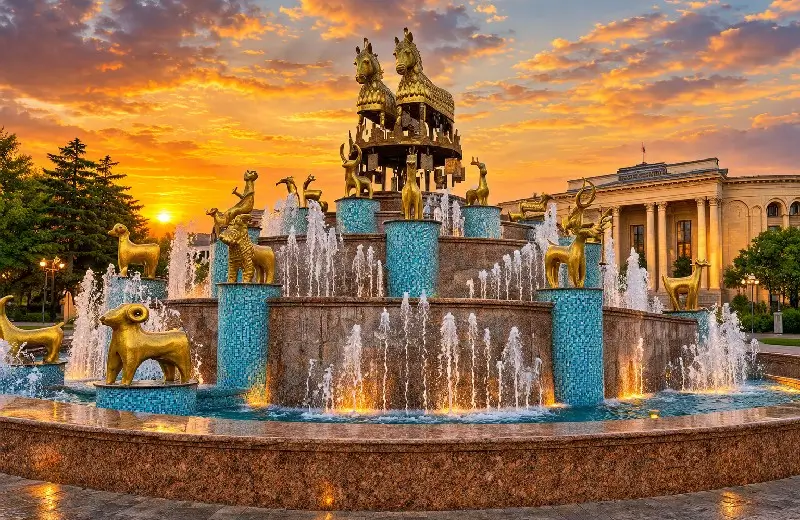
Colchis Fountain
The central square's most recognizable landmark — a fountain decorated with golden statues inspired by the treasures of ancient Colchis. It is a popular meeting point and a good starting point for a walking tour.
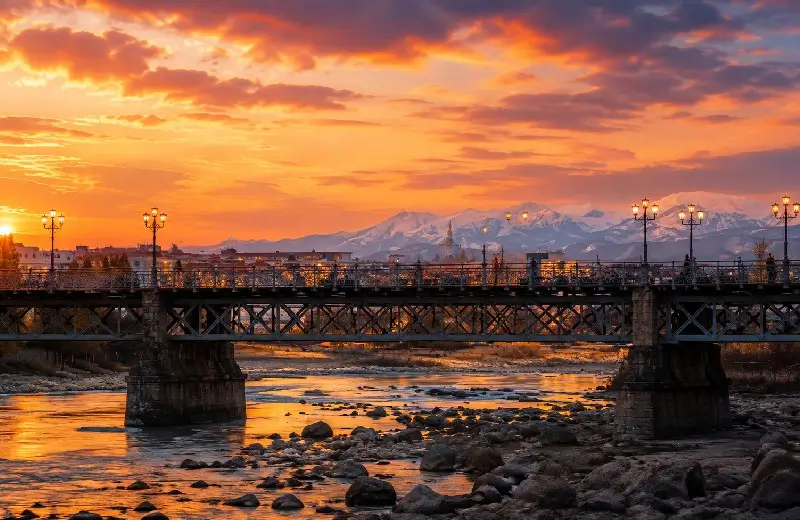
White Bridge
A modern pedestrian bridge over the Rioni River with a glass floor that lets you see the water below. Best visited at sunset, when the light on the river is at its best.
Day Trips from Kutaisi
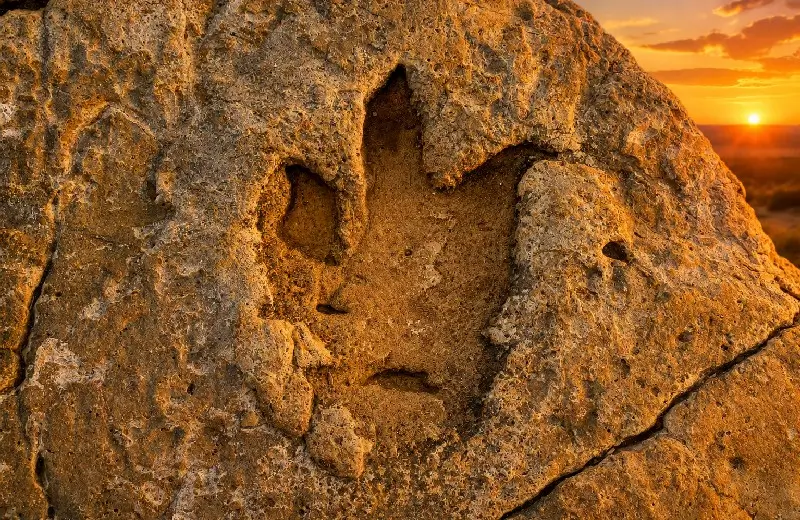
Sataplia Nature Reserve
Home to preserved dinosaur footprints from the Cretaceous period, a glass viewing platform, and a small cave. A good half-day trip for families and nature lovers.
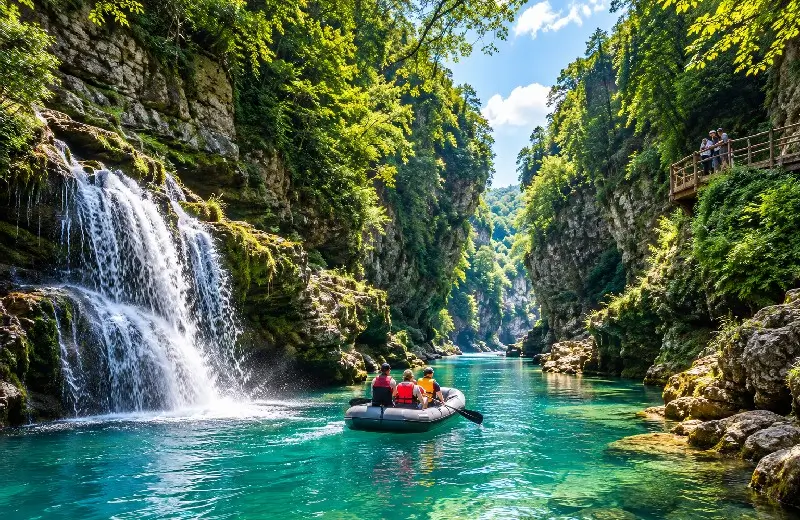
Martvili Canyon
About an hour from Kutaisi, Martvili Canyon is a dramatic gorge with turquoise water and a short boat ride. It is often combined with a visit to Prometheus Cave in a single day.
What to Eat in Kutaisi
Kutaisi is the capital of the Imereti region, and its food is distinct from the rest of Georgia. The local cuisine is lighter and more vegetable-focused than in the east, with a strong emphasis on fresh herbs, walnuts, and mild cheeses. It is some of the most underrated food in the country.

Imeretian Khachapuri
Unlike the boat-shaped Adjarian version, Imeretian khachapuri is round and flat, filled with a mild local cheese. It is the definitive Kutaisi dish — simple, warm, and perfect with a glass of local wine.
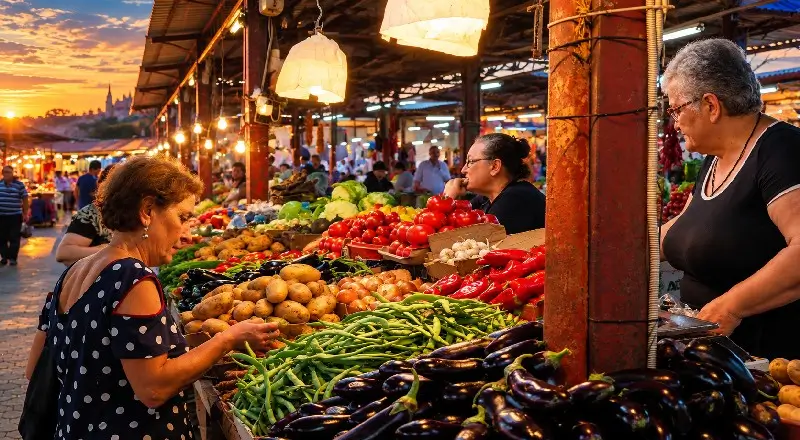
Kutaisi Central Market
The best place to experience local food culture — stalls selling Imeretian cheese, churchkhela, fresh herbs, and homemade jams. It is also a good spot to pick up small souvenirs and gifts.
Where to Eat
The restaurants around the central square and along the main streets serve reliable Imeretian classics. For a more authentic experience, look for small family-run places away from the tourist area — the prices are lower and the food is often better. If you are visiting the monasteries, many have small cafes nearby serving khachapuri and tea.
Where to Stay in Kutaisi
Kutaisi has a good range of accommodation for a mid-sized city — from budget guesthouses to boutique hotels. Most options are within walking distance of the central square and the main sights. Prices are lower than in Tbilisi or Batumi, which makes Kutaisi a good base for exploring the Imereti region.
If you are coming from the capital, see our guide to the 10 best hotels in Tbilisi for recommendations there. If you are continuing to the coast, our guide to the 10 best hotels in Batumi covers the seaside options.
Getting to Kutaisi from Tbilisi
By Train
The most comfortable option. Trains from Tbilisi to Kutaisi take about 4–5 hours and run daily. A second-class ticket costs around 20–30 GEL. The station is a short taxi ride from the center.
By Marshrutka
Minibuses leave from Tbilisi's Didube station every hour. The trip takes about 4 hours and costs around 15 GEL. They drop you near the center of Kutaisi.
By Plane
Kutaisi International Airport is served by several low-cost airlines from Europe. It is about 20 minutes from the city center. This is the easiest option if you are arriving from abroad.
Best Time to Visit Kutaisi
Kutaisi has a humid subtropical climate — warm and green most of the year. The best windows are April–June and September–October, when the weather is mild and the hills around the city are at their most beautiful. July and August are hot and humid, but the caves and monasteries are still comfortable to visit. Winter (November–March) is cool and quiet, with fewer crowds and lower prices.
Essential Travel Tips
Wear Comfortable Shoes
The walk up to Bagrati Cathedral and the paths around the monasteries are steep and uneven. Good shoes make a big difference.
Carry Cash
Many small restaurants, markets, and family guesthouses do not accept cards. Bring enough GEL for meals, tastings, and tips.
Book Caves in Advance
Prometheus Cave and Sataplia get busy in summer. Booking a guided tour in advance saves time and often includes transport.
Bring a Light Jacket
The caves are cool even in summer — around 14°C inside. A light jacket or sweater is useful for the underground sections.
Photography Rules
Photography is allowed in most monasteries but often restricted inside the churches. Look for signs and follow local guidance.
Stay for Sunset
The view from Bagrati Cathedral at sunset is one of the best in Kutaisi. A day trip from Tbilisi misses it — stay overnight if you can.
Frequently Asked Questions
Absolutely. Kutaisi is one of Georgia's oldest cities and home to two UNESCO World Heritage Sites — Bagrati Cathedral and Gelati Monastery. The nearby Prometheus Cave and Sataplia Nature Reserve make it one of the most rewarding stops in western Georgia.
Trains from Tbilisi take 4–5 hours (~20–30 GEL). Marshrutkas from Didube take about 4 hours (~15 GEL). Kutaisi also has an international airport with low-cost flights from Europe.
Yes, but it is rushed. A day trip means 7–8 hours of driving and only 4–5 hours in Kutaisi. Staying overnight is strongly recommended if you want to visit the monasteries, the caves, and the city without rushing.
Kutaisi is famous for Bagrati Cathedral, the Gelati and Motsameta monasteries, the Prometheus Cave, and the Sataplia Nature Reserve with its preserved dinosaur footprints. It is also known for Imeretian cuisine, which is distinct from the rest of Georgia.
April–June and September–October are the best windows. Spring brings green hills and mild weather; autumn offers clear light for photography. July and August are hot and humid, but the caves are still comfortable to visit.
Yes, Kutaisi is very safe for tourists. The main risks are weather-related — slippery paths around the monasteries after rain, and cool temperatures inside the caves. Bring proper shoes and a light jacket.
Ready to Explore Kutaisi?
Book a guided tour or find the perfect hotel for your trip to Georgia's ancient capital.
Explore Georgia Tours Read the Tbilisi Guide