

Tbilisi Sulfur Baths: Complete Visitor Guide
Everything you need to know about the historic Abanotubani district — from the domed bathhouses and the famous Chreli Abano to what to expect, how to book a private room, and practical tips for your visit.
The Tbilisi sulfur baths are the heart of the city's history — a cluster of domed bathhouses in the Abanotubani district that have been welcoming locals and travelers for centuries. Legend says that King Vakhtang Gorgasali discovered the hot springs while hunting and decided to build the city around them. This guide covers everything you need to know: the history, the best bathhouses, what to expect, and how to make the most of your visit.
Whether you are looking for a traditional scrub, a private soak, or just a glimpse into Tbilisi's past, this neighborhood is unmissable. Additionally, if you are still planning your wider trip, start with our complete Tbilisi travel guide.
The Baths at a Glance
Water
Natural hot springs
Location
Abanotubani, Old Town
Price
From 50 GEL (private room)
The History of Abanotubani
Abanotubani literally means "the district of baths" in Georgian. The sulfur springs here have been used since the 5th century, and the bathhouses became a social hub during the Middle Ages. The area was destroyed several times by invaders, but each time it was rebuilt — most recently in the 17th century, when the current brick domes were constructed. Today, the baths are one of the most photographed sights in Tbilisi.
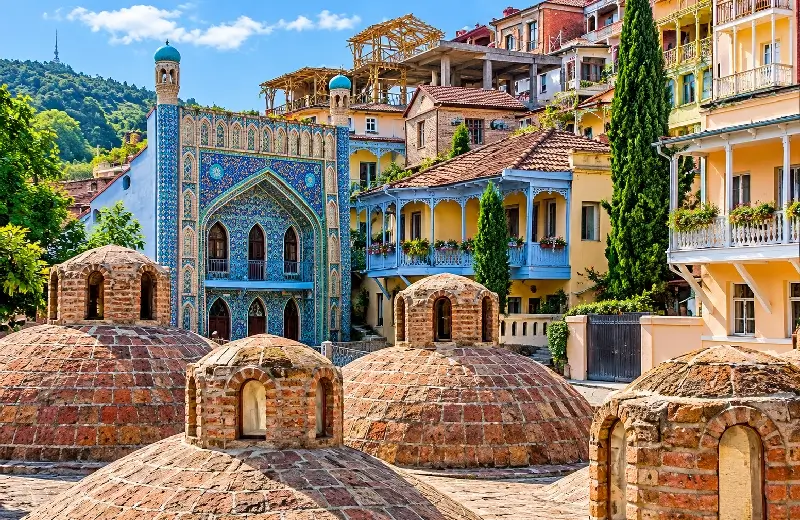
The Famous Domes
The brick domes that you see from the street are the roofs of the bathhouses below. Some are over 300 years old, and the entire district is a protected historic area.
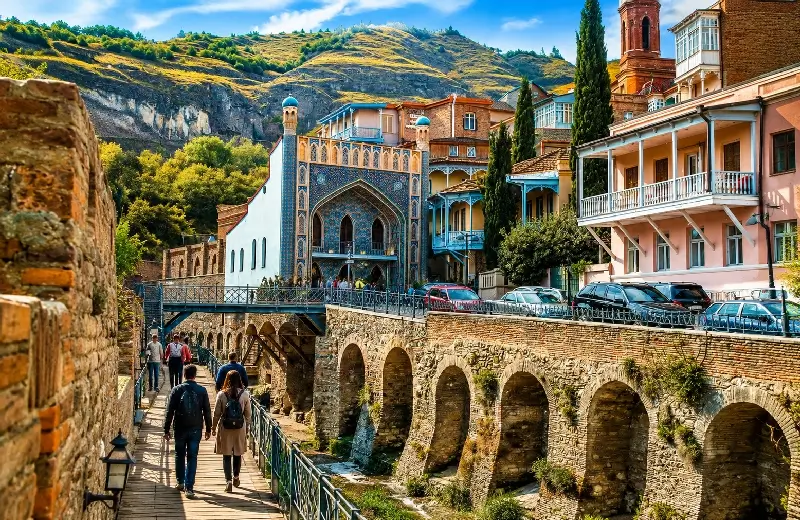
The Street
The narrow, cobblestone street leading to the baths is lined with cafes and small shops. It is a short walk from Freedom Square and the Old Town sights.
The Best Bathhouses to Try
There are dozens of bathhouses in Abanotubani, ranging from simple public baths to luxurious private spas. The three below are the most popular, but you can also just walk down the street and choose one that looks right.
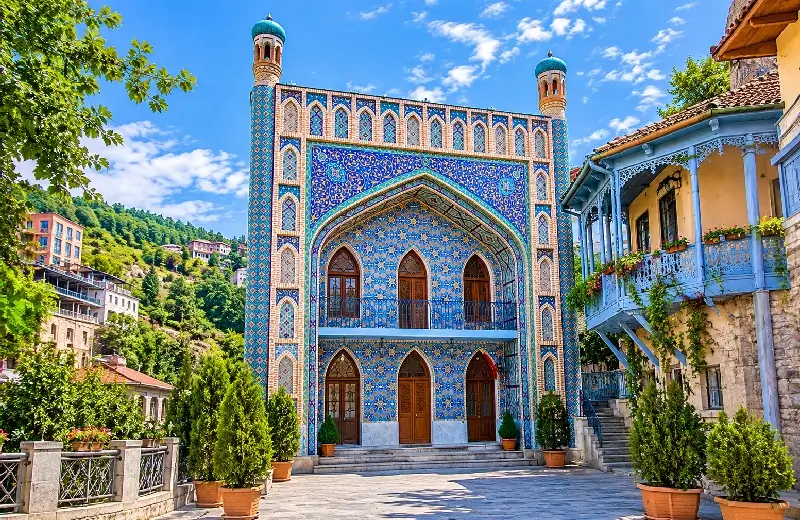
Chreli Abano
The most famous bathhouse in Tbilisi, known for its blue-tiled façade and elegant interior. It is also the most expensive, but the experience is worth it for a special occasion.
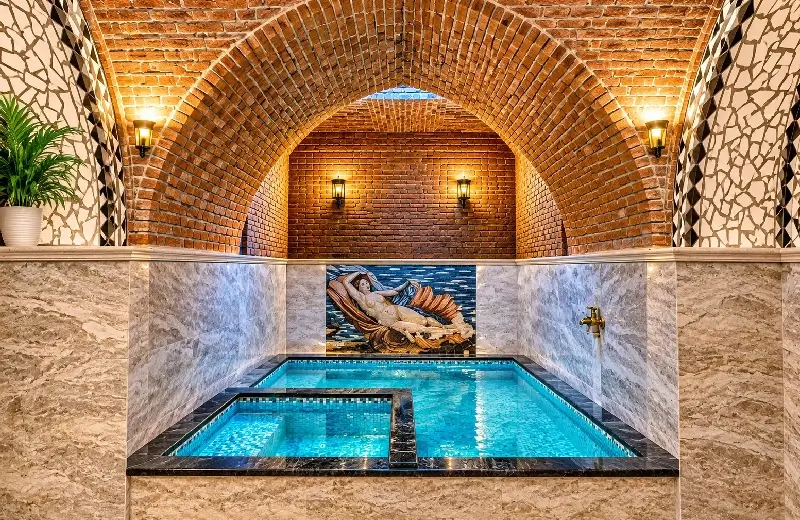
Private Rooms
Most bathhouses offer private rooms with a hot pool, a shower, and a place to rest. The rooms are available in different sizes — from a simple single to a large family suite.
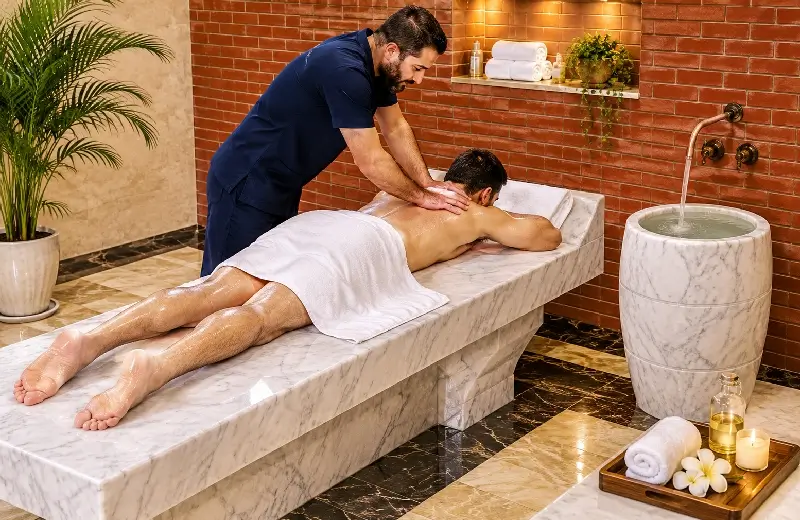
Kisa Massage
A traditional scrub with a rough mitt (kisa) that removes dead skin and leaves you feeling refreshed. It is often included in the private room package or can be booked separately.
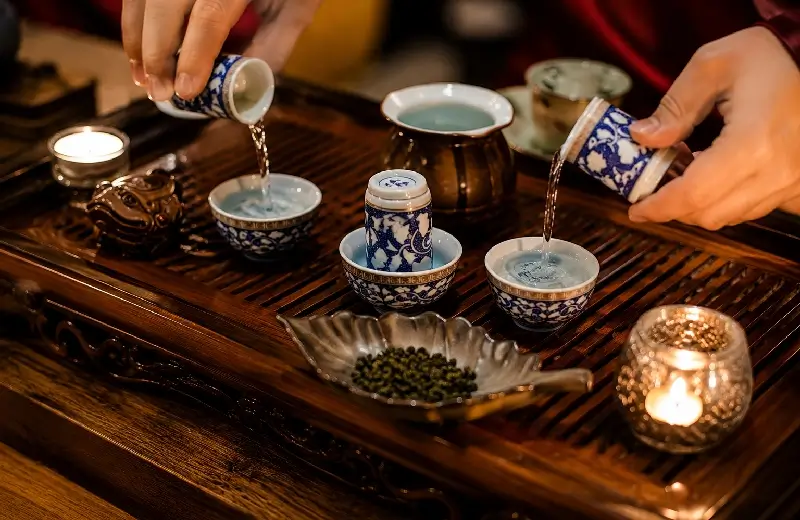
Tea & Rest
After your bath, you can order tea or a light snack in the rest area. Many bathhouses have a small cafe where you can relax before heading back into the city.
What to Expect
The experience is straightforward — you book a room, change, soak, and relax. But for first-time visitors, some details are worth knowing in advance. The water is naturally warm (around 40°C) and rich in sulfur, which gives it a distinct smell. The baths are not a spa in the Western sense — they are a traditional, communal experience that has been part of Tbilisi life for centuries.
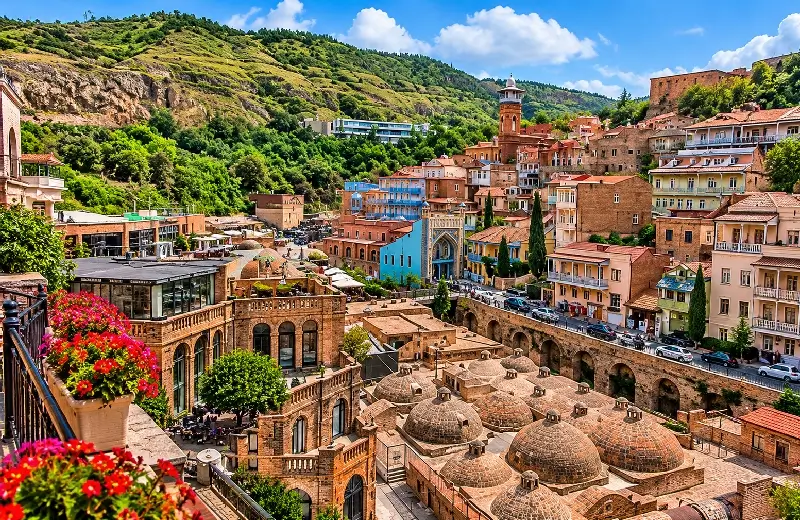
The Neighborhood
Abanotubani is at the foot of Narikala Fortress, where the Leghvtakhevi River cuts through the Old Town. The area is easy to reach on foot from Freedom Square (about 15 minutes), or by taxi from any part of the city. The best time to visit is in the late afternoon or evening, when the bathhouses are lit up and the streets are quieter. For more on the neighborhood, see our Narikala Fortress guide.
Nearby Attractions
The baths are located in the heart of the Old Town, so you can easily combine your visit with other sights. The Leghvtakhevi Waterfall is just a few minutes' walk away, and Narikala Fortress is right above the district.
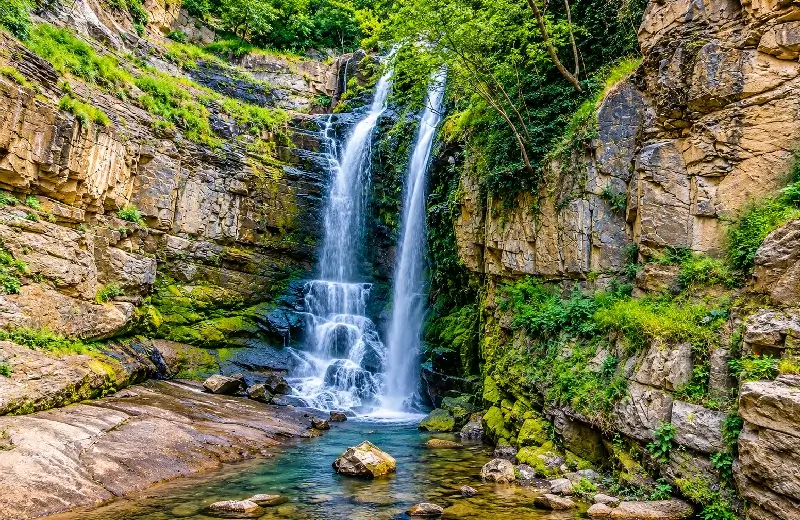
Leghvtakhevi Waterfall
A small but dramatic waterfall that flows into a deep gorge right in the middle of the Old Town. It is a short walk from the baths and a popular photo spot. The surrounding path leads up toward Narikala Fortress, so you can easily combine the two in one afternoon.
Essential Tips for Your Visit
Book in Advance
Private rooms, especially at Chreli Abano, fill up quickly in the evening. Therefore, reserve your spot earlier in the day or the day before.
Bring Your Own Towel
Most bathhouses rent towels for a small fee, but bringing your own is more comfortable. Flip-flops are also a good idea, as the floors can be slippery.
Carry Cash
Not all bathhouses accept cards, especially the smaller ones. As a result, bring enough Georgian Lari for the room, the massage, and tips.
Allow Enough Time
A typical visit lasts 1–2 hours, including the soak, the scrub, and the rest period. Do not rush — the whole point is to slow down.
Drink Water
The hot water can be dehydrating. Bring a bottle of water and take breaks if you feel lightheaded.
Go at Night
The bathhouses are especially atmospheric after dark, when the domes are lit up and the streets are quieter. It is also less crowded than the afternoon.
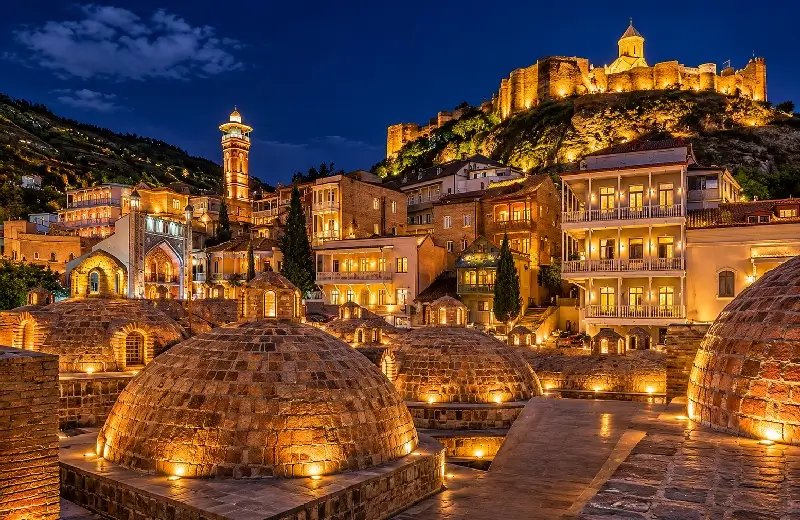
The Baths at Night
At night, the district takes on a different character — the domes glow under the streetlights, the steam rises from the vents, and the cafes around the baths come alive. It is one of the most romantic corners of Tbilisi and a perfect end to a day of sightseeing.
Frequently Asked Questions
They are a cluster of historic bathhouses in the Abanotubani district, built over natural hot springs. The water is rich in sulfur and has been used for bathing since the 5th century.
Prices range from around 50 GEL for a simple private room to 200+ GEL for a luxury suite at Chreli Abano. A traditional kisa massage usually costs extra.
For the popular bathhouses, especially in the evening, booking in advance is recommended. Smaller places often accept walk-ins.
A towel, flip-flops, and a change of clothes. Most places rent towels, but bringing your own is more comfortable. Bring cash for tips and extras.
Yes — the baths are safe and well-maintained. The main risks are slipping on wet floors and dehydration from the heat. Take it slow and drink water.
A traditional scrub with a rough mitt that removes dead skin. It is a signature part of the sulfur bath experience and is highly recommended.
Ready to Experience the Baths?
Book a Tbilisi tour or find the perfect hotel for your Georgian adventure.
Book Tbilisi Tour Explore Hotels